Today I learned how to sell on Amazon. And eBay too! This has been a long journey that started pre-COVID and continues to sell even today. At most, it shows that the one skill you ever need- is to know how to learn. I started with zero knowledge in selling so literally everyone can. In this blog, I’ll tell you how I started to sell things online, and how I managed to restock a 1000pc. audio adapter selling at 50% margin.
But how did it all start? Let me tell you this using an old joke:
An economist and entrepreneur walk in the streets of New-York. The economist sees a 100$ bill on the ground and says: “This bill is probably fake. If it is real, somebody would have picked it up already”. The entrepreneur says back: “you are right” and picks it up himself.
I was that economist when my brother told me that he needs some really specific audio adapter.
Step 1 – Idea
At first, I was a little shocked myself. The adapter he needed was something that sounds ordinary and not complex. But searching online raised zero results. Well… not zero, we found a bit of a solution to that adapter, but it was rather expensive and too robust. This is when my internal entrepreneur kicked in. If my brother needs this one adapter no one else in the world is manufacturing, this is where I can step in. My 100$ bill.
For most entrepreneurs, the idea is the most difficult thing to find. But ideas are a solution to one’s problem. I saw it right in front of me and managed to recognize it. So, try to listen closely to your friends and Colleges. They might be your next startup.
Step 2 – Market Research
To me, market research was a non-issue. I kind of did it in the first step, but you need to conduct one too. Make sure you have an audience for your product. But if you are like me, it is hard to conduct research on a non-existing product. So, you will need to trust your guts, instincts, karma, or whatever you believe. if you use eBay or Amazon services, they have a great organic audience for your listings. So you need to make sure you have all relevant keywords and use cases to add to your product description later.
Step 3 – Business Plan
Is it worth it? Hell yea! Always. I said to myself that if it all turns out bad, at least I learned something. But I also didn’t start blindly. At the start, I collected some basic information on how much it should cost to make it end-to-end. You need to take several things into account:
- How much does it cost to manufacture your product?
- How much it costs to deliver it to your place or to store and deliver it from the manufacturer’s warehouse to your customers?
- What are the packaging costs (bubble wrap, envelopes, boxes, printings, human work)
- what are the shipping costs?
- what is the expected returns rate? What is the average number of items lost in the mail?
- what are the e-commerce platform fees?
- Taxes 🙁
with a shallow search, I estimated 2$ per item with delivery of 1000 units to my house. I took advantage of not having to pay anyone if I store the batch in my house. since it is a small item a bubble wrap envelope cost about 0.2$. Shipping to the USA, where most customers are + is the farthest location from Israel (except Australia, don’t ask…) and costs around 2.5$. eBay + PayPal/Payoneer fees are about 30% of the selling price.
To sum things up 2+0.2+2.5 = 4.7$, this is what it costs to have one happy customer. But I ain’t no philanthropist. I came here to do money. Considering x2 of costs + a little extra gave me the beautiful selling price of 11.99$. With 20% selling fees on eBay (2.4$) and 4.7$ cost of the item, that left me with around 4.89$ per item. Not bad as a start. wrapping it all up calculated (at the time) this: if I sell 1/3 of the batch, 300-333 items- I would be breaking even. And if I sell it all, I’ll earn around 3000$.
What I had to lose? If I sell non, it will cost me only the manufacturing costs, which were about 1250$. Not a small amount, but one I was willing to lose as a learning price.
Step 4 – Ordering
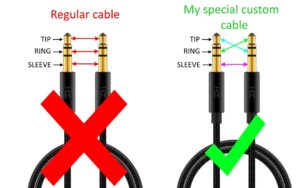
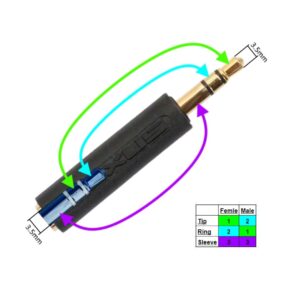
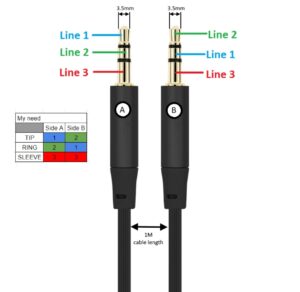
This was the most difficult part for me. Don’t be afraid to talk to people you know and get help from friends. It is hard to start in an area you literally have no clue in. So check out what you specifically need, in your product – sizes. colors, material. if you are not sure you can prepare 2 or 3 specifications. if doesn’t have to be something fancy or professional, anything will do. For example, see my tries:
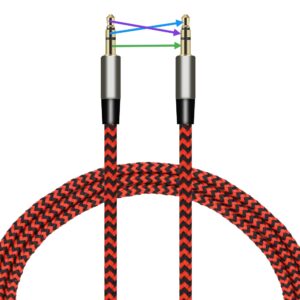
Once you have some specs for your future product, you can start talking to factories. I suggest comparing at least 2 offers. But why get only 2 when you can open an RFQ (Request For Quotation) in Alibaba
Alibaba is the owner of AliExpress, but apart from that they are the Tinder of suppliers. Do you want to buy an iPhone case? Go to AliEpress. Do you want to buy 5,000 cases with custom printing? Alibaba is your place. For most of the general products, you can search supplies on your own. I suggest starting with that to get an estimation of how much it should cost you. But as I mentioned earlier you can also open an RFQ and let suppliers come to you.
For me, this was the hardest part. There are lots of suppliers and manufacturers in Alibaba and they all strive to get orders. And we need to remember that although they know English well, it is not their mother tongue. It is adding the fact that you also don’t understand the product domain phrases. The order will not be easy. But I did it twice, so it is possible.
Step 5 – Manufacturing
Once you cleared all the details, the supplier will create an order request with schematics and all the fancy blueprints. the payment page will probably look like a scam to you but it’s OK. And your order is guaranteed by Alibaba. In the same way that PayPal will pay you back in case the seller disappears without sending you anything. At this point, you will probably notice Alibaba charges a few more bucks to cover transaction fees. Depends on the total amount but credit cards or PayPal have around 35$ fee (last time I checked).
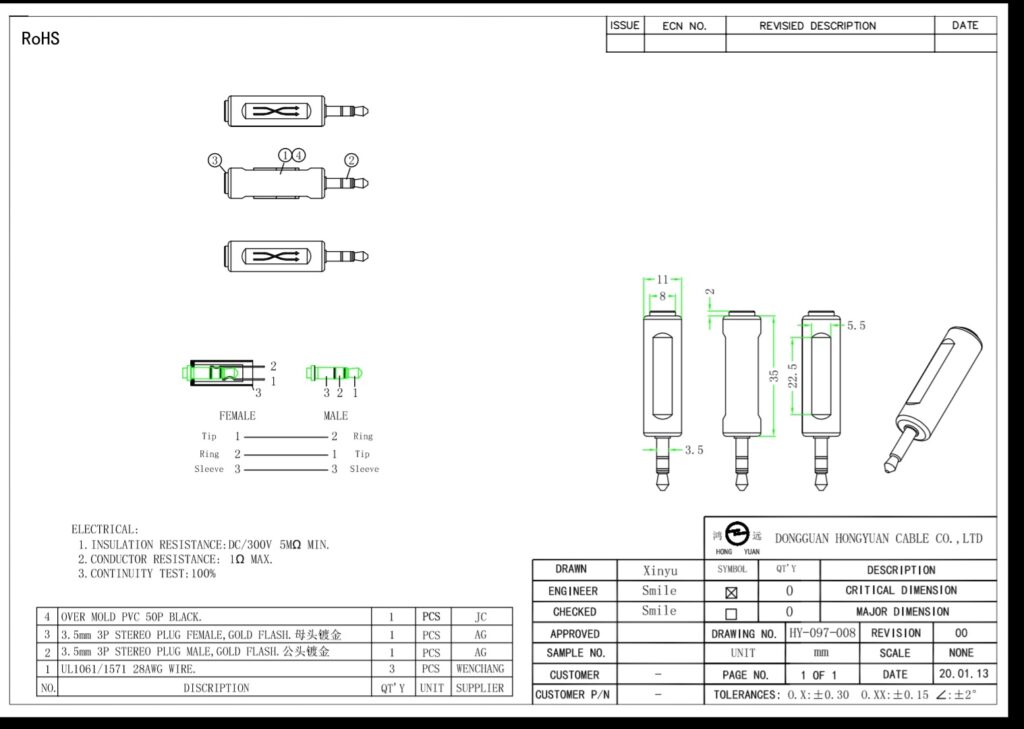
After you pay you can send good luck to the salesperson, sit back, and wait for the expected delivery. Of course, at this point, you should have an expected manufacturing and shipping time. Usually, when they are done, a lot of the sellers there like to send you a short video of your idea coming to life in their factory. It is nice, cherish it.
Step 6 – Start Listing
You might want to start it before you get your actual batch, but I suggest waiting a little bit, at least if this is your first product. eBay and Amazon generally do not like it when a seller is not ready to sell. Also, it will give you an opportunity to take good pictures of your product before you list it.
The registration as a seller is long and painful, especially on Amazon, but it is worth it. Don’t hesitate to find another guide for how to open such accounts. You will need a registered business and its details but nothing too complex.
Once you have an approved account, find the right keywords for your product and start filling out the new product form. This is extremely important if you are selling special products like me since most people will find you through searches.
Step 7 – Profit
Well… almost! But this is the fun part! watching your product sells! It may take some time, so be patient and let your products do the trick. You can help it with publishing yourself or sponsoring it, promotions, etc…
And don’t forget to pay your taxes because Amazon and eBay don’t do it for you (unlike being a buyer).
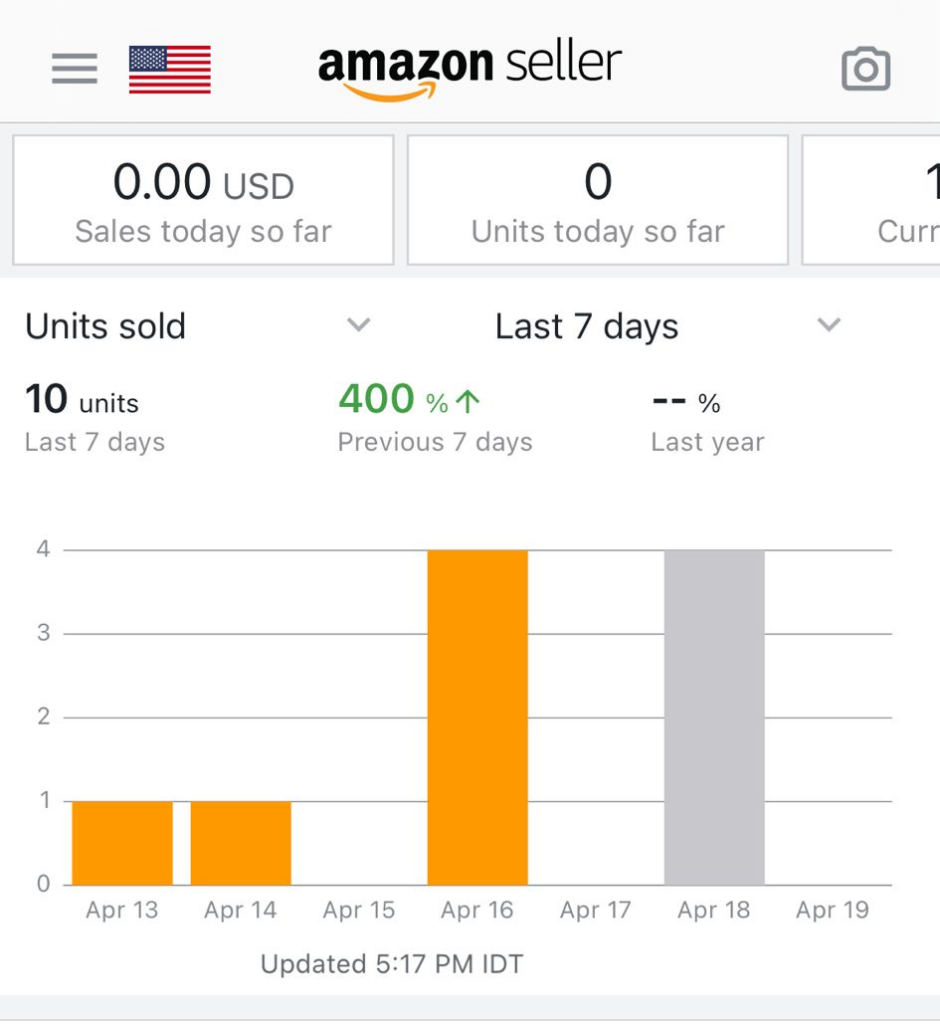
So, this is my story and 2 cents about selling online. Probably not the first or most informative article if you truly want to sell, but I hope I gave you some courage and motivation. And if you came by here and really interested, these are the links to my stores:
eBay – https://www.ebay.com/usr/sagigis
Amazon – https://www.amazon.com/s?me=AA2L04SQPYT7A